
Artemisia Gentileschi – Paintbrush of Justice
בתקופה שבה נשים לא היו אמורות לדבר ובטח שלא לצייר, הייתה אישה אחת שלא הסכימה לשתוק. ארטמיזיה ג’נטילסקי ציירת אמיצה מתקופת הבארוק (תקופת הרנסנס המאוחרת) פרצה את גבולות זמנה עם קול עז, שלא נשמע במילים אלא בצבעים.
ארטימזיה נולדה ב-1593 ברומא, בתו של הצייר אורַזיו ג’נטילצ’י ונחשפה לעולם האמנות רק בזכותהעובדה שהייתה בת לאמן. בגיל 12 אמה נפטרה והיא גדלה עם אביה האמן אורוזיו ג׳נטילסקי בין צבעים ומכחולים.
At a time when women were not supposed to speak, let alone paint, there was one woman who refused to remain silent. Artemisia Gentileschi, a courageous painter from the Baroque period (the late Renaissance period), broke through the boundaries of her time with a strong voice, heard not in words – but in colors.
Born in Rome in 1593, the daughter of the painter Orazio Gentileschi, Artemisia was exposed to the world of art only by virtue of being the daughter of an artist. At the age of 12, her mother died, and she grew up with her father, the artist Orazio Gentileschi, among paints and brushes.
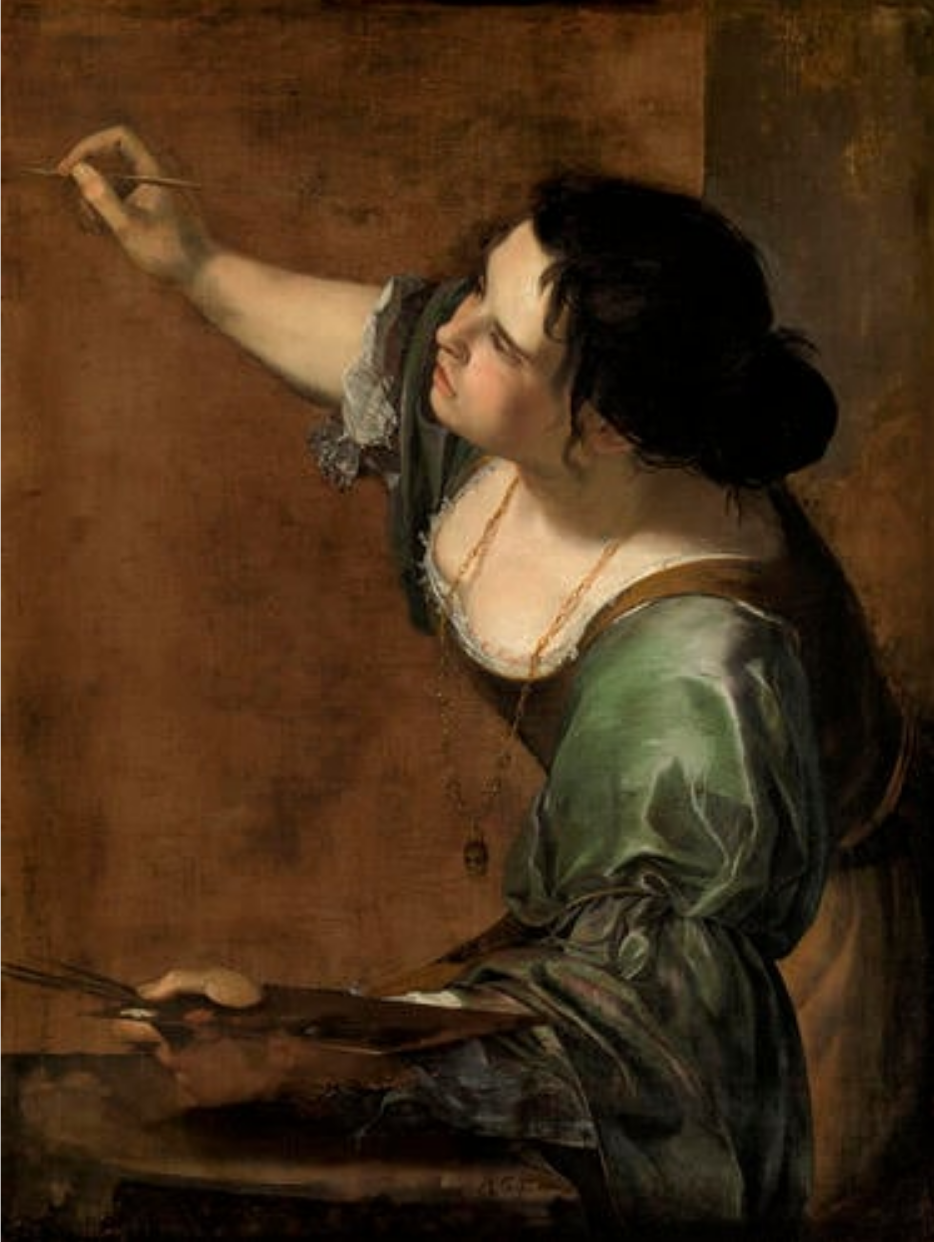
דיוקן עצמי כאלגוריה של הציור
Royal Collection Trust :מתוך אוסף
כשהייתה כמעט בת 17, נאנסה על ידי אגוסטינו טאסי, אחד המורים שלה לציור, חבר קרוב של אביה ומקושר לחוגי האפיפיור. המעשה הקשה תועד בפרוטוקולים של המשפט שנשמרו, בין היתר בגלריה הלאומית של אנגליה טאסי הציע לשאת אותה לאישה, כנהוג באותה תקופה, אך חזר בו. אביה של ארטמיזיה תבע אותו – לא כדי להשיב את כבודה, אלא לשקם את ערכה בשוק הנישואין. במהלך המשפט היא עונתה, כדי לבדוק אם היא דוברת אמת. קשרו את אצבעותיה למתקן עינויים – והיא לא נשברה.
טאסי הורשע, אך מעולם לא נשא בעונש, בזכות חסות מהאפיפיור אינוקנטיוס העשירי. ארטמיזיה, מצולקת אך לא מוכנעת, עזבה את רומא עם קול חזק יותר מתמיד – הקול של מכחולה.ה
היא עברה לפירנצה, שם הייתה לאישה הראשונה שהתקבלה לאקדמיה לאמנות של פירנצה. מאוחר יותר הוזמנה על ידי המלך צ'ארלס הראשון לצייר באנגליה את תקרות ארמונו. ציוריה מתארים נשים מיתולוגיות והיסטוריות רגע לפני או אחרי מעשה גבורה – יהודית הורגת את הולופרנס, יעל רוצחת את סיסרא, שושנה והזקנים – לא כאובייקטים נשיים, אלא כלוחמות.
בהשפעת קרווג’יו, דמויותיה מוארות באור דרמטי, אך בניגוד אליו – הנשים שלה אינן פאסיביות. הן פעילות, נועזות, מלאות תנועה וכוח גופני, והן נושאות את דיוקנה שלה: זועמת, נחושה, בלתי מנוצחת.
היא לא יכלה להשיג צדק בבית המשפט. אבל בסטודיו שלה – היא יכלה. ודרך הציורים שלה היא היטבה לבטא את עוצמתה ועצמת נשים רבות בהיסטורי
When she was almost 17, she was raped by Agostino Tassi, one of her art teachers, a close friend of her father and connected to papal circles. The gruesome act is recorded in the trial records preserved, among others, in the National Gallery of England. Tassi offered to marry her, as was customary at the time, but he backed out. Artemisia’s father sued him – not to restore her honor, but to restore her value in the marriage market. During the trial, she was tortured, to test whether she was telling the truth. Her fingers were tied to a torture device – and she did not break.
Tassi was convicted, but never served his sentence, thanks to the patronage of Pope Innocent X. Scarred but not subdued, Artemisia left Rome with a stronger voice than ever – the voice of her brush.
She moved to Florence, where she became the first woman to be admitted to the Florentine Academy of Art. Later, she was commissioned by King Charles I to paint the ceilings of his palace in England. Her paintings depict mythological and historical women moments before or after a heroic act – Judith killing Holofernes, Yael murdering Sisera, Shoshana and the Elders – not as female objects, but as warriors.
Influenced by Caravaggio, her figures are illuminated in a dramatic light, but unlike him – her women are not passive. They are active, bold, full of movement and physical strength, and they bear her own portrait: furious, determined, invincible.
She could not achieve justice in court. But in her studio – she could. And through her paintings she was able to express her power and the power of many women in history.
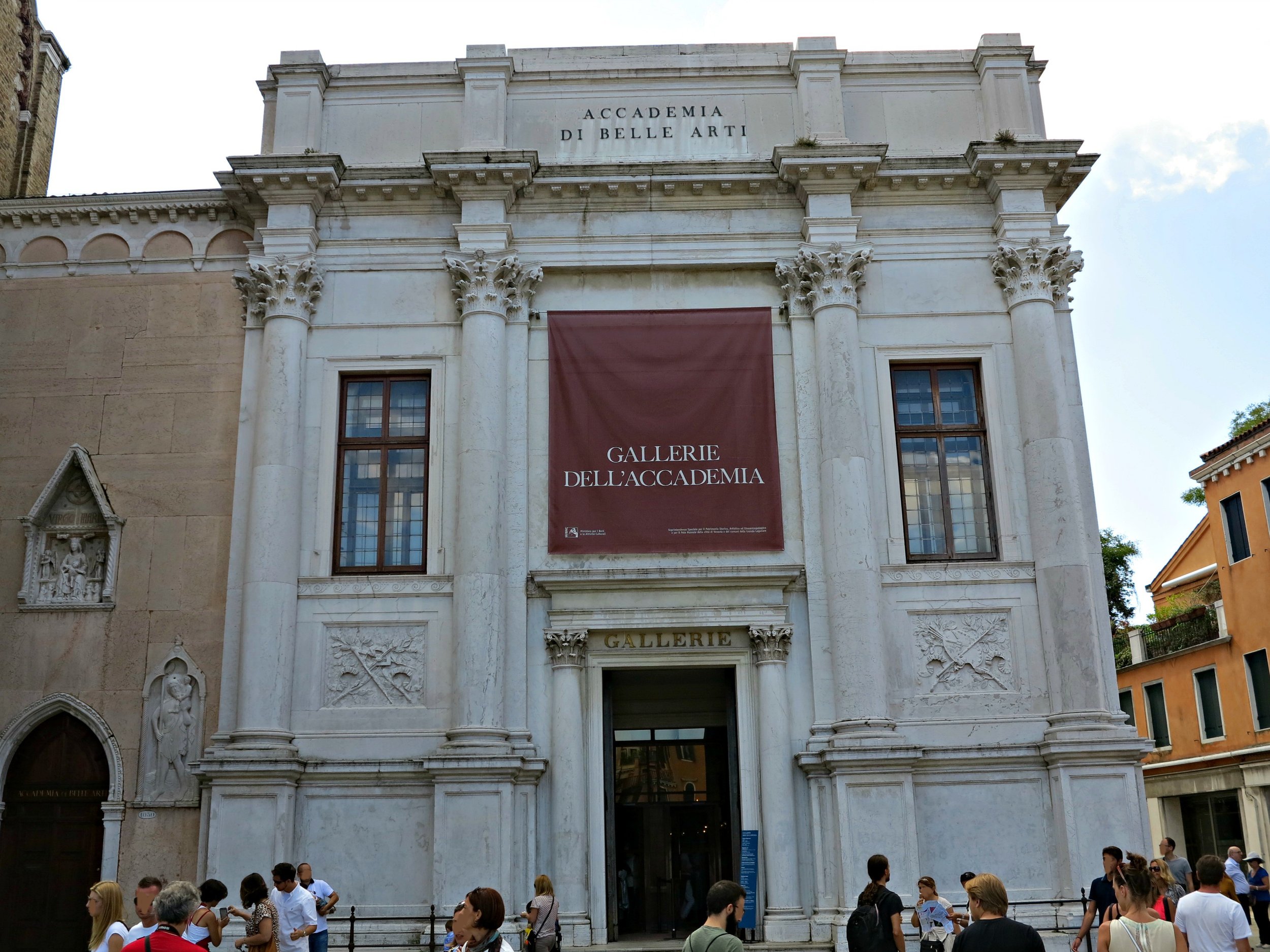
בניין האקדמיה לאומנות בפירנזה. התמונה מתוך ויקימדיה
.JPG)
Next
Next