
Friedel Dicker Brandeis and the children's drawings from the Theresienstadt camp
בין השנים 1942–1944 יצרו הילדים בגטו טרזינשטט אלפי ציורים שהציגו את עולמם הפנימי. פרידל דיקר־ברנדייס, אמנית ומורה לאמנות ששהתה במחנה אספה והחביאה את היצירות שנשארו בשלמותן והפכו למקור חשוב לחקר חוויות הילדים בתקופת השואה
Between 1942 and 1944, the children in the Theresienstadt ghetto created thousands of paintings that depicted their inner world. Friedel Dicker-Brandeis, an artist and art teacher who was in the camp, collected and hid the works that remained intact, becoming an important source for researching the children's experiences during the Holocaust.
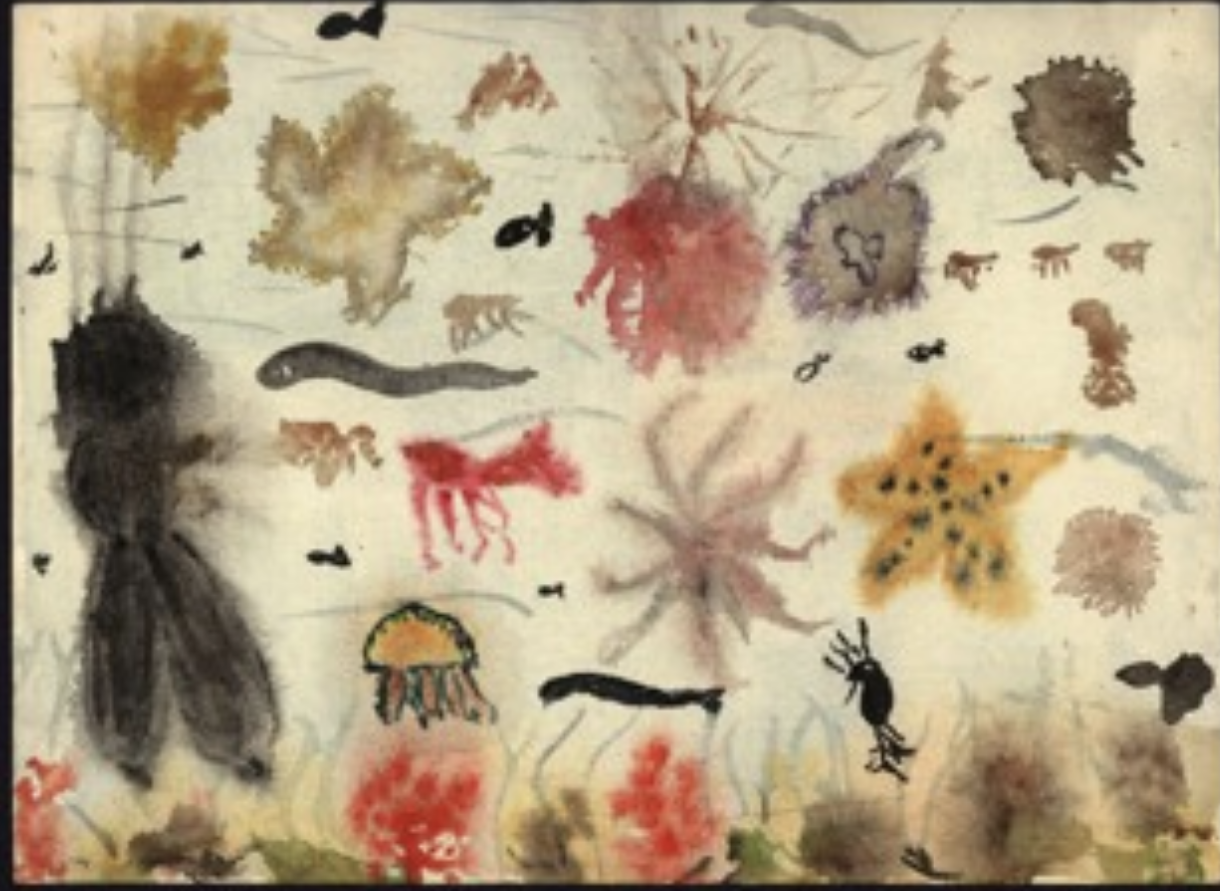
ציור של ילד מהמחנה מתוך אוסף הציורים של המוזיאון היהודי בפראג
ילדות ולימודים
פרידל נולדה בווינה בשנת 1898. למדה עיצוב גרפי ואמנות טקסטיל בבית הספר הממלכתי לאמנות בווינה. ב־1916 למדה אצל יוהנס איטן. בהמשך היא הצטרפה לקבוצת הבאוהאוס ולמדה באקדמיה לאמנות באוהאוס בויימאר, שם עסקה בעיצוב תלבושות ובובות לתיאטרוןChildhood and studies
Friedel was born in Vienna in 1898. She studied graphic design and textile art at the State School of Art in Vienna. In 1916 she studied with Johannes Itten. She later joined the Bauhaus group and studied at the Bauhaus Academy of Art in Weimar, where she designed costumes and puppets for the theater.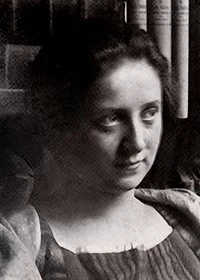
פרידל דיקר ברנדייס מתוך ויקיפידיה
פעילות מקצועית ואמנותית
ב־1923 הקימה פרידל סטודיו לעיצוב בברלין עם פריץ זינגר שהתמחה בעיצוב בדים, דירות, חנויות וריהוט. היא עברה לווינה בשנת 1925 ושנה לאחר מכן פתחה את סטודיו זינגר-דיקר. ב־1931 פתחה סטודיו וגלריה, שם יצרה סדרה של פוסטרים שייצגו את תפיסותיה הקומוניסטיות. בפברואר 1934 הושמדו יצירותיה והיא נאסרה. לאחר שריצתה תקופת מאסר קצרה עברה לפראג, שם המשיכה בפעילותה הפוליטית והאמנותית.Professional and artistic activity
In 1923, Friedel founded a design studio in Berlin with Fritz Singer, specializing in the design of fabrics, apartments, shops, and furniture. She moved to Vienna in 1925 and a year later opened the Singer-Dicker Studio. In 1931, she opened a studio and gallery, where she created a series of posters that represented her communist views. In February 1934, her works were destroyed and she was arrested. After serving a short prison sentence, she moved to Prague, where she continued her political and artistic activities.
Jewish Women's Archive יצירה של פרידל מתוך האתר
חינוך ואמנות בגטו טרזינשטט
ב־1936 נישאה לפאוול ברנדייס והחלה את עבודתה בחינוך בשילוב תיאוריות של הבאוהאוס. ב־1939 עברו בני הזוג להרנוב שם עסקה בעיצוב בדים ונתנה שיעורי ציור בגני ילדים יהודיים. בדצמבר 1942 שולחו לגטו טרזינשטט. לפני שילוחה ארזה חומרי ציור רבים במטרה ללמד ילדים בגטו. תוך זמן קצר החלה ללמד בבתי ילדים אמנות במטרה להקל על חייהם. שיטותיה נחשבות כיום לאבן דרך בפיתוח תרפיה באמנות.Education and art in the Theresienstadt ghetto
In 1936 she married Pawel Brandeis and began her work in education, incorporating Bauhaus theories. In 1939 the couple moved to Harnov, where she designed fabrics and gave drawing lessons in Jewish kindergartens. In December 1942 they were sent to the Theresienstadt ghetto. Before being sent, she packed many drawing materials with the aim of teaching children in the ghetto. Within a short time, she began teaching art in children's homes in order to make their lives easier. Her methods are now considered a milestone in the development of art therapy.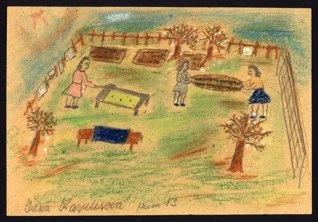
ציור חתום על ידי אירנה קרפלוסובה. נוצר במהלך שיעור שאורגן על ידי פרידל דיקר ברנדייס במחנה טרזינשטט מתוך האוסף של מוזיאון היהודי בפראג
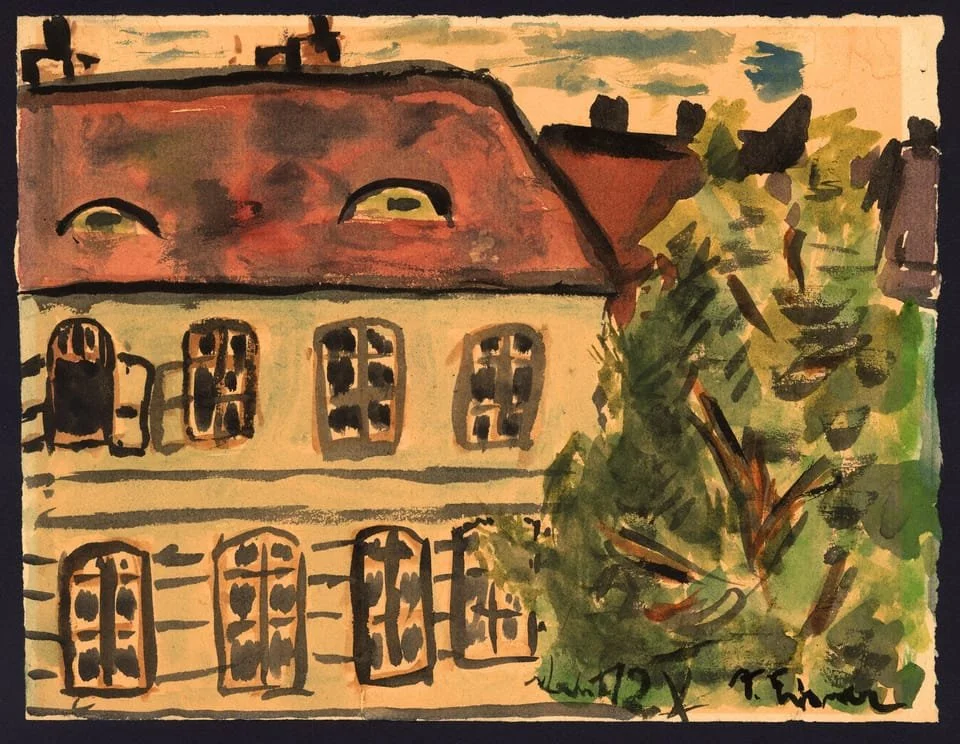
ציור מהאוסף של מוזיאון היהודי בפראג© Židovské muzeum v Praze
ציורי הילדים ומורשתה
לפני גירושה לאושוויץ באוקטובר 1944 היא מסרה קופסאות מלאות ציורי ילדים שנעשו בשיעוריה לידי שני אסירים יהודים שהיו חברים במועצת היהודים בגטו. הקופסאות הוסתרו במרתף אחד הבניינים בטרזין. לאחר המלחמה, כאשר הגטו שוחרר והחלו לאסוף עדויות וחפצים התגלו הקופסאות. בתוך הקופסאות נמצאו יותר מ־5,000 ציורים – עדות מצמררת אך גם מרגשת לעולם הפנימי של הילדים בגטו ולמפעל החינוכי של פרידל מרבית הציורים הועברו למוזיאון היהודי בפראג, שם הם שמורים עד היום וחלקם מוצגים בתערוכות נודדות ברחבי העולם חלק מהציורים מילדי גטו טרזין הוספו לאחרונה לרשימת “זיכרון העולם” של ארגון אונסק”ו, הארגון הגבוה ביותר לשימור תרבותי עולמי ו הציורים מבטאים את עולמם הפנימי של הילדים זיכרונות, פחדים ותקוות. מרבית הילדים האלה נרצחו, בדומה לפרידל.The children's Paintings and Her Legacy
Before her deportation to Auschwitz in October 1944, she gave boxes full of children’s drawings made in her classes to two Jewish prisoners who were members of the Jewish ghetto council. The boxes were hidden in the basement of one of the buildings in Theresienstadt. After the war, when the ghetto was liberated and evidence and artifacts began to be collected, the boxes were discovered. Inside the boxes were found more than 5,000 drawings – a chilling but also moving testimony to the inner world of the children in the ghetto and to Friedl’s educational enterprise. Most of the drawings were transferred to the Jewish Museum in Prague, where they are still preserved today, and some are displayed in traveling exhibitions around the world. Some of the drawings by the children of the Theresienstadt ghetto were recently added to the “Memory of the World” list of UNESCO, the highest organization for world cultural preservation. And The drawings express the children’s inner world – memories, fears, and hopes. Most of these children were murdered, like Friedl.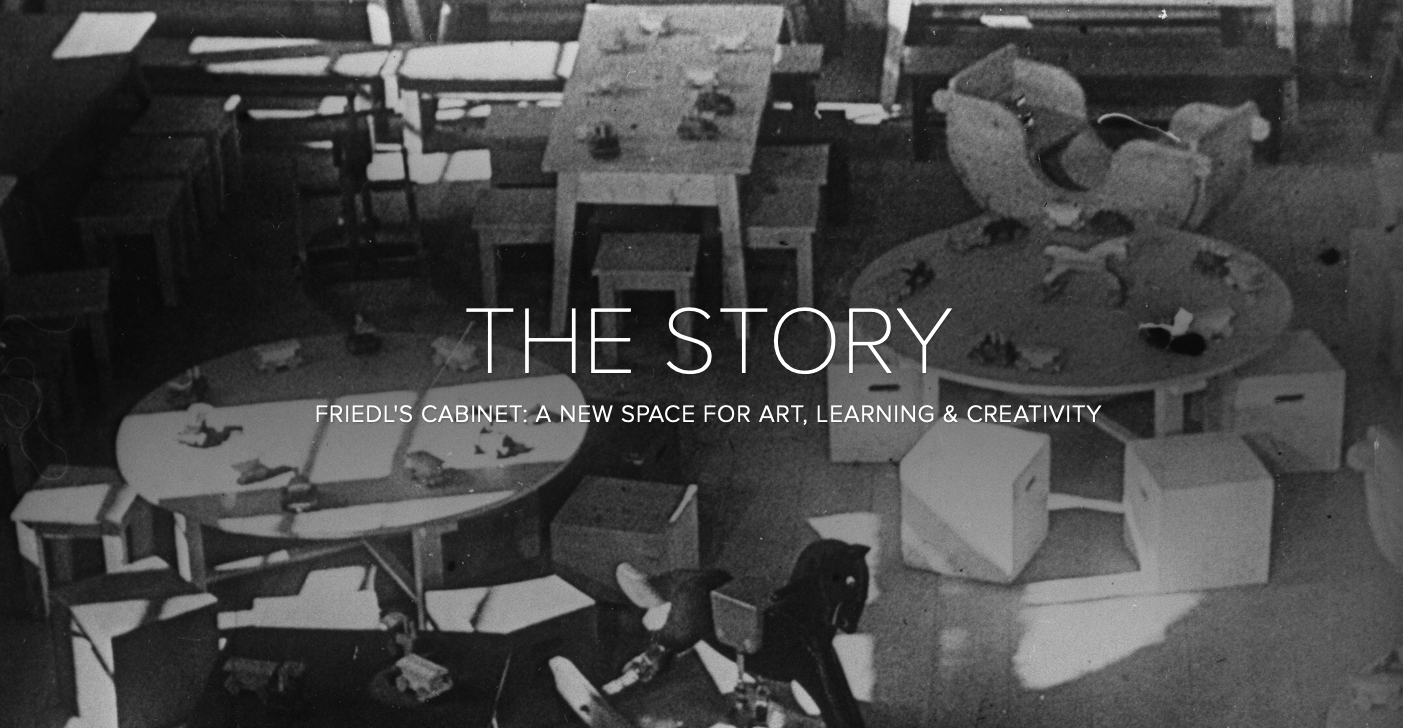
Previous
Previous